
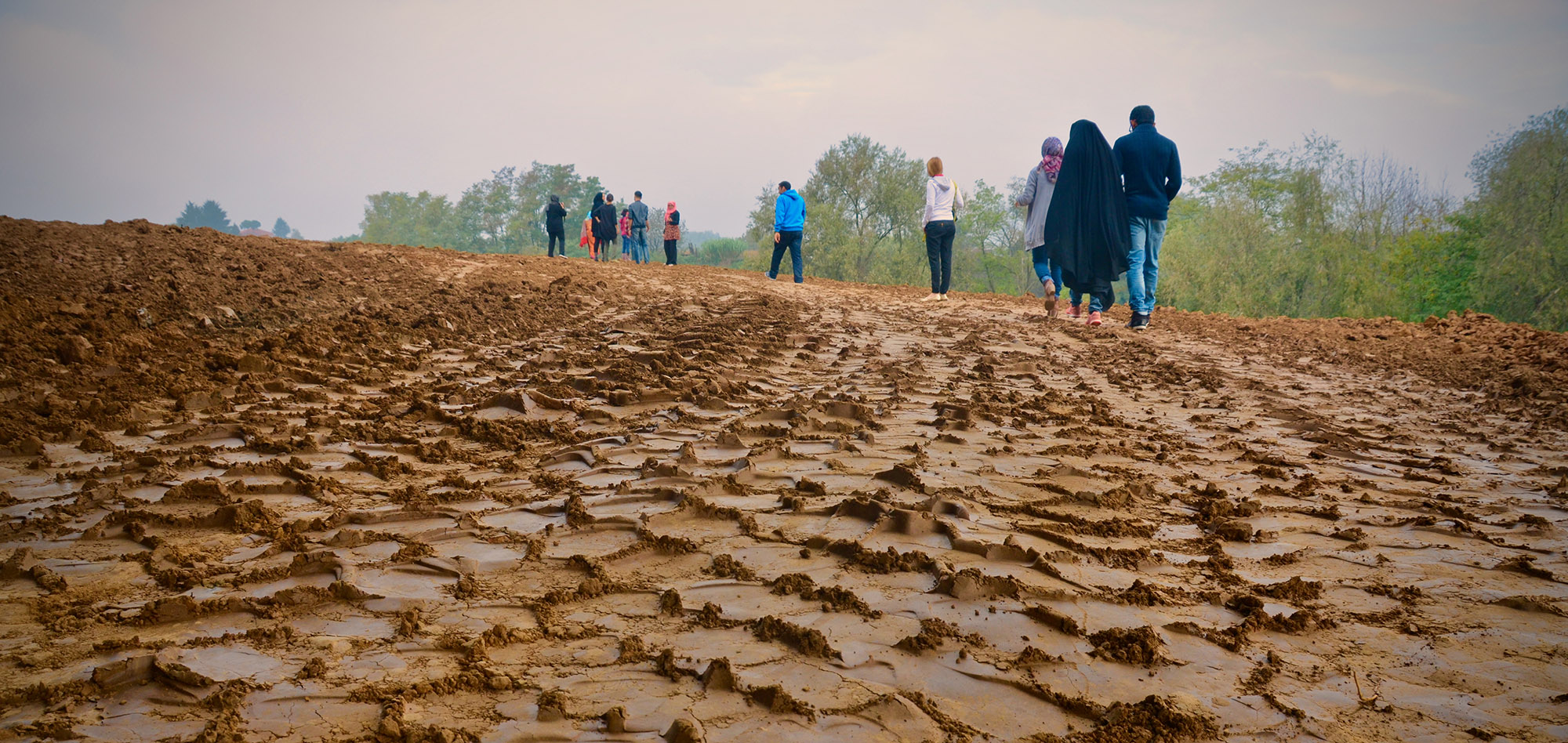
وَإِذْ قَالَ رَبُّكَ لِلْمَلَائِكَةِ إِنِّي خَالِقٌ بَشَرًا مِّن صَلْصَالٍ مِّنْ حَمَإٍ مَّسْنُون
“Remember, O Prophet, when your Lord said to the angels,
‘I am going to create a human being from clay’.” Saad: 71
“The LORD God formed man out of the clay of the ground
and blew into his nostrils the breath of life, and so man
became a living being.” Genesis 2:7
When it comes to the true “OG” design material, it’s pretty hard to beat clay.
Yes, THE Stone Age is so known because humans first figured out how to turn stones into tools and such. Hunters were strapping rocks on sticks to fashion spears that enabled them to defeat significantly larger predators LONG before anyone fashioned anything out of clay. That said, stone is the Material World’s equivalent of the Art World’s Dadaist urinal: a found object.
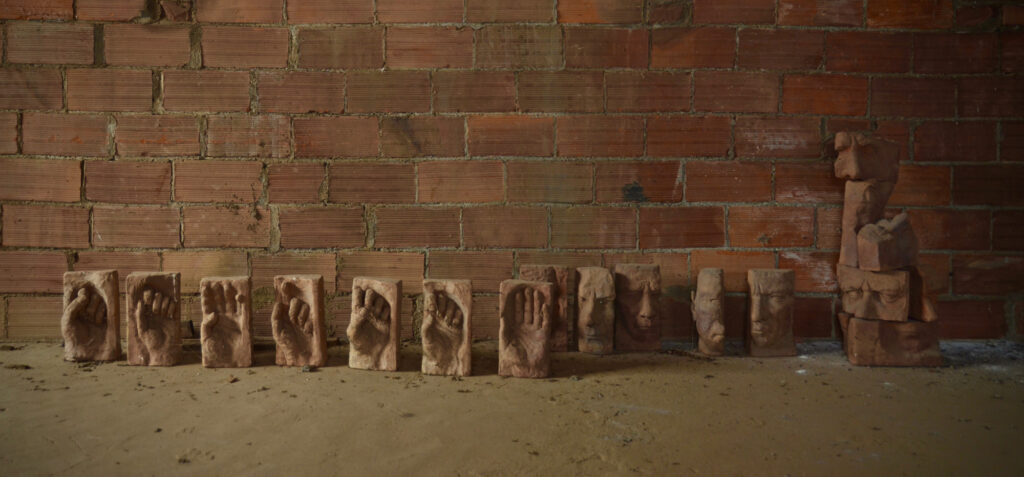
Clay saw humans discover their ability to truly mold the world to meet their needs.
(Though, for more on stone, read this. [link to Stone Age article])
From the first fist into raw clay, to the moment when humans realized the impact of heat on the material, the progression has been both rapid and beneficial. Early vessels allowed us to store, cook, and transport the foods that sustained us. Clay tablets allowed us to store information. The malleability of clay allowed early humans to materialize their creativity as well.
Slap some clay on a straw structure, let the sun dry it out, and you’ve got a pretty darn good home: humans figured that little trick out in the 9th Millennium BCE (like 10,000 years ago). Step up your game through the construction of clay bricks – we got around to that in the 5th Millenium(around 4400 BCE) – and you have a structure that is solid, weatherproof, and might actually be found in 6,000 years.
Once past the basics, humans understood the malleability of the material in creating decorative forms. From there, the Creative Spirit was unleashed – and preserved – for generations. Nay, millennia . . .
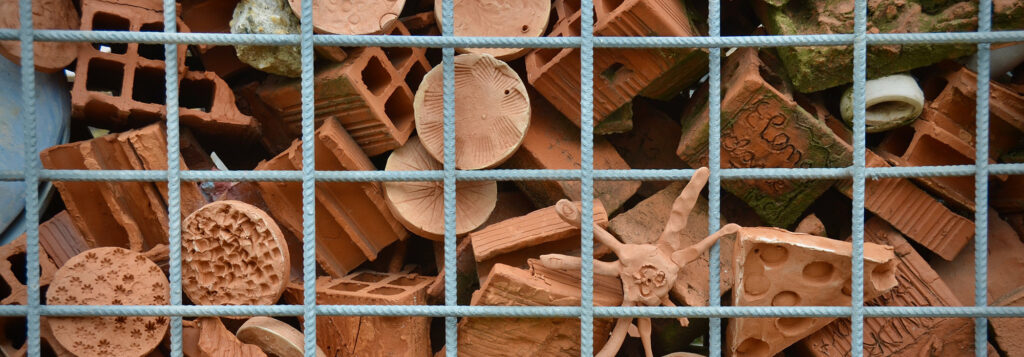
Design students learn about the Venus of Dolní Věstonice, a ceramic figurine more than 30,000 years old. Cuneiform writing, preserved in clay tablets from the 19th Century BCE, tells us of the women who financed the tin and textile trade between the ancient cities of Kanesh and Assur in Turkey. Architecture students are able to visit the Ishtar Gate, originally one of the ceremonial entrances to Babylon in the 6th Century BCE, in its current location at the Pergamon Museum in Berlin. Its cobalt-blue and gold bricks along with richly-detailed, bas-relief sculptures of dragons, bulls, and lions manage to dazzle us to this day.
For all of its historical significance, “clay” is a very generic term; and one that is quite hard to truly pin down. Generally, we default to the term “ceramics”, which is an even broader category that can, for some, include cements and glasses. So, you might ask, why make things more complicated? For the purposes of this article there are two reasons, actually: understanding “clay” is emotional, but understanding “ceramics” is practical.
Let me start the emotional part with a Nerd Moment:
Clay is a naturally-occurring, but inorganic, material – an aggregation of tiny particles that have remarkable properties. These particles are known as “hydrous aluminum phyllosilicates”, which sounds complicated but is pretty linear: “hydrous” means that water is a component, “aluminum” is . . . aluminum, and “phyllosilicate” means that the particles are in the same class as silica – the stuff that makes quartz, glass, and other hard things. Most importantly, these particles (and, therefore, clay) are “plastic” – meaning formable – when wet, and become crystalline/hard when dry. The more water that can be removed, by firing, the harder and more impenetrable the final material.
Now, back to emotion.
As these particles are formed in the presence of water, clay deposits are commonly found on the banks of rivers and in the beds of (usually, ancient) lakes. Few deposits are alike, as the “impurities” that the particles pick up along their journey vary from place to place. Minerals, organics, and other inclusions will greatly change the color, the smell, and the taste of the raw mixture, and – of course – its density, its malleability, and its applications.
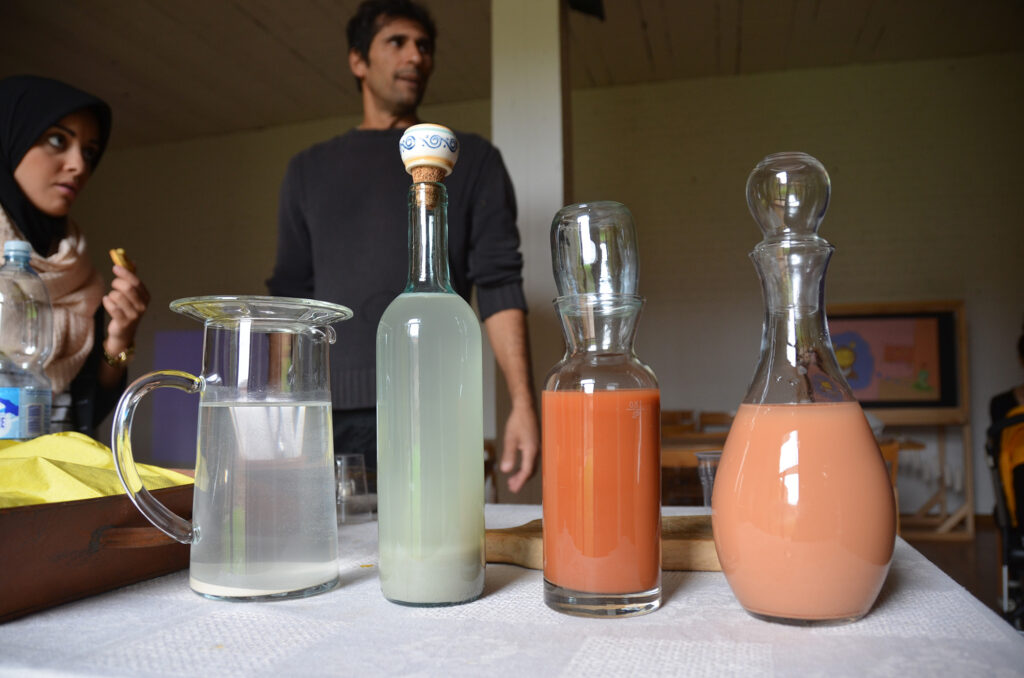
There is a reason that Creation Stories reference clay: it is the most relatable of all materials. It has immense variety mostly based on where it comes from, it is soft one minute and immovable the next, how we treat it in its infancy can dramatically impact its future. Clay has an almost human personality. Interestingly, while the Abrahamic Religions (Judaism, Christianity, and Islam) simply identify clay as the material that gave humans form, many other cultures take the metaphor much further.
In the Creation Story told by the Potowatomi tribe that lived near the Great Lakes in the center of North America, after the Earthmaker was done creating the rivers and mountains he decided to populate the world. Scooping some clay from a riverbed, he formed a human, created an oven, and lit the fire before placing the figure inside. After fashioning tongs from some branches, he pulled the figure from the fire; but, when he looked at it, he found it only half-baked. This human was the White Man. A second figure was formed, placed in the oven, and this time was left in much longer as the creator walked away. This human was the Black Man. Finally, the Earthmaker fashioned a third figure and placed it in the oven; but, this time, he carefully watched the figure and pulled it from the fire when it was perfect. This figure was the Red Man, the origin point of the native tribes.
In southern Sudan, the Shilluk people told the Creation Story of Jwok, who created white people from white loam and brown people from the desert sands. The Shilluk, and their relatives in the region were fashioned from the richest riverside clay.
Also baked into these tales is the inherent variety of the material: clay found in central Africa was dark brown, while the North American variant was red. To transition to the discussion of Ceramics: we often use the term terracotta (literally, “cooked earth” in Latin – and Italian) as much to describe a color as a material: a reddish-brown that derives from a high iron content in the material.
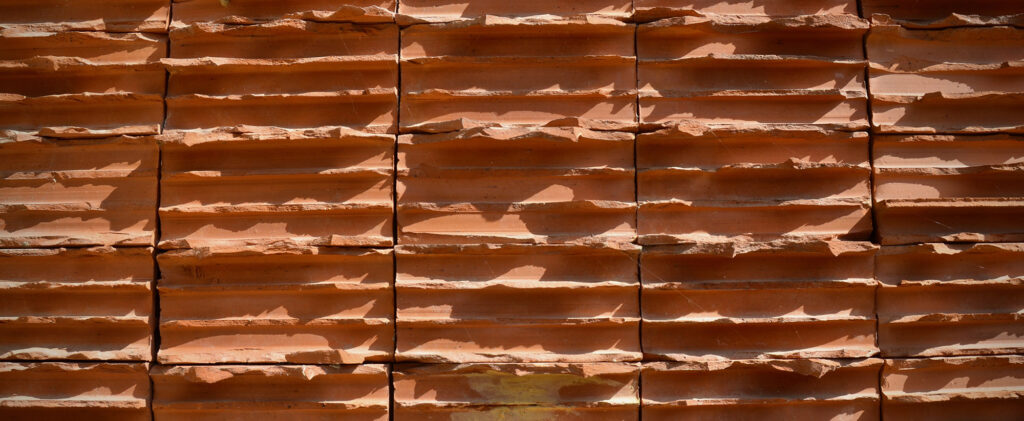
Terracotta, the material, is a ubiquitous presence in buildings (bricks and roofing tiles), practical vessels large and small, and is the best known of the Earthenware family of ceramics. These materials are fired at low temperatures – some are simply left to dry in the sun, others are burned under a layer of straw or grass, but generally at temperatures less than 1000ºC. As a result, they are porous, and must be glazed in order to hold water without leaking.
[Sidebar on evaporative cooling]
Further up on the refinement table, Stoneware can be either semi-vitreous or vitreous (from the Latin vitrum, meaning “glass”), and can hold water (all of it) without being glazed. Often grey in color, it is more durable than Earthenware but still shows a rugged nature. Stoneware is fired at slightly higher temperatures, from 1100º to 1300ºC.
The most common player on tables across the globe is Porcelain. This is because it has the perfect balance between refinement and utility. With a high percentage (usually) of the fine-grained and lighter-colored kaolin clay, it is fired between 1200º and 1400ºC to create a durable material that will survive the torture chambers of the modern kitchen: I am speaking of the microwave and the dishwasher. Where Earthenware and Stoneware store enough water in their structure – and crack when that water expands – Porcelain endures.
Last on the list is Bone China, so called because it often contains bone ash. This ceramic is differentiated by its translucency – none of the other three classes of ceramic can achieve this property. Often employed to display this diaphanous quality in tea-light covers that reveal panoramas of flowers or romantic cities, it has also been used for more contemporary lighting.

Despite their delicate appearance, the material is incredibly strong, chip-resistant, and suitable for everyday use.
So, when you next look at a “simple” brick or flower pot, know that they share a long relationship with the development of humans across the globe.
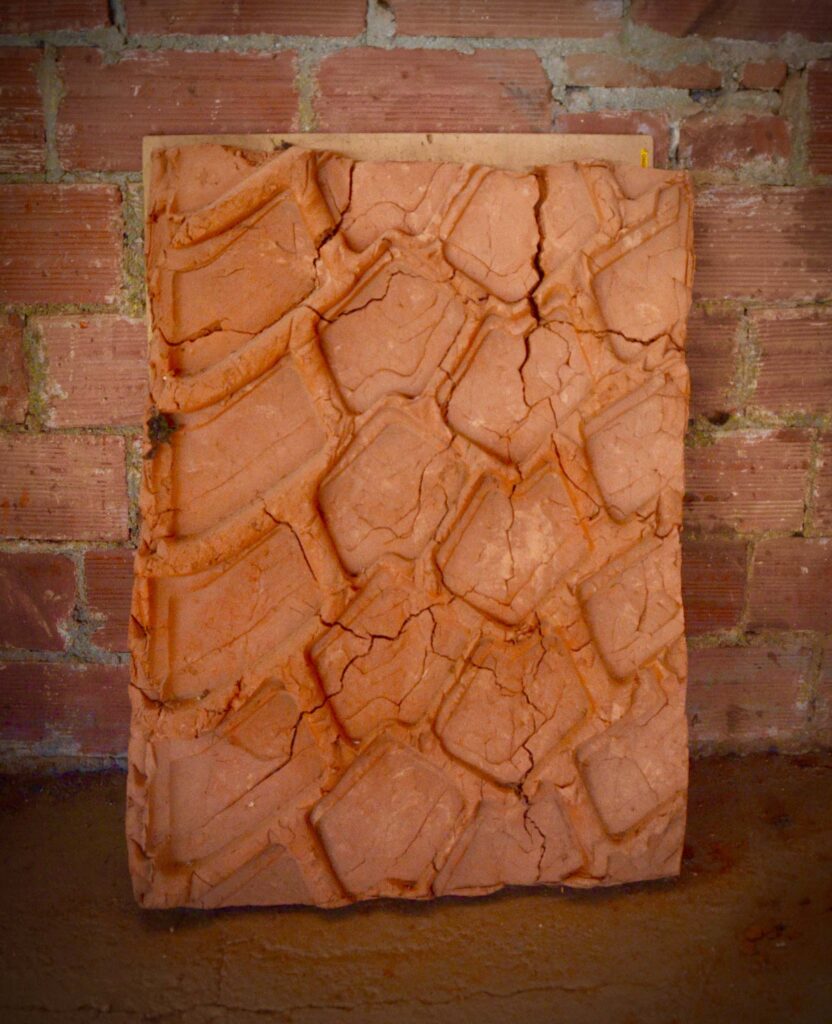
Like modern-day dinosaur tracks, the footprints of the tractors used to harvest the clay for the Carena ceramics factory are preserved for eternity (this particular section was actually fired, but if simply left to dry in the sun long enough, it would have hardened as well). The main image at the beginning of the story shows them “in process”.